


Biopesticides
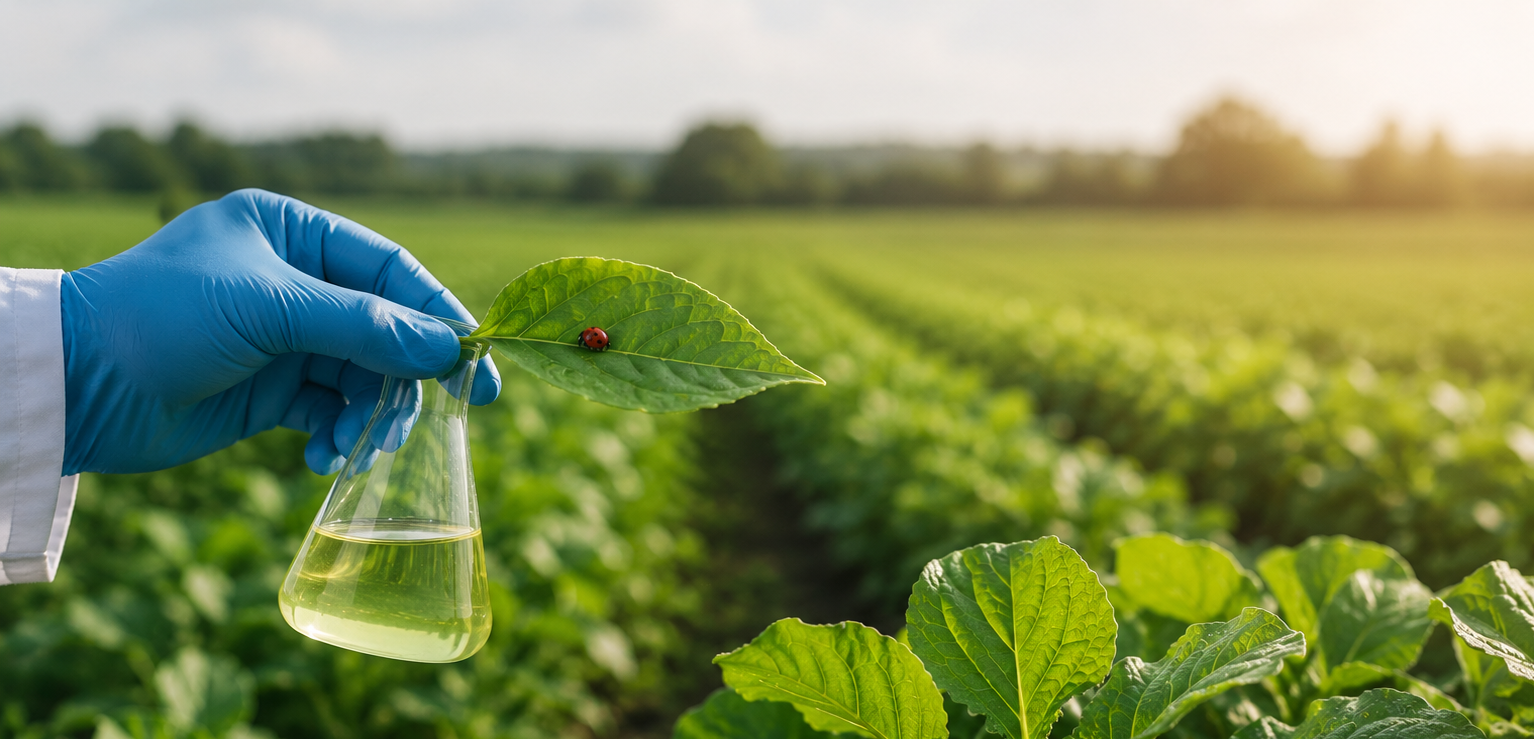
Biopesticides represent a growing category of pest management tools derived from natural materials including microorganisms (bacteria, fungi, viruses), plant extracts (botanicals), semiochemicals (pheromones) and novel alternative products such as RNA interference (RNAi). These products play an increasingly important complementary role alongside conventional plant protection products in integrated pest management strategies, offering growers additional tools to protect crops while addressing environmental and resistance management concerns.
Our regulatory team (along with our trusted partners) brings together specialists with a deep expertise in plant protection product efficacy, risk assessment and regulatory strategy that can be applied to the growing interest in biological products.
We provide complete regulatory support from initial product scoping through to market authorisation and beyond. This includes data gap analysis that identifies required studies while exploring opportunities for waivers and bridging strategies appropriate to biopesticides. Our team compiles dossiers in IUCLID format for both active substance and product applications, with careful attention to the arguments and justifications that regulators expect for biological products. From managing submissions to ongoing support throughout the evaluation process, we can respond to questions and provide additional data or clarifications as needed. Our service is available post-authorisation with support for label variations, renewals and compliance obligations.
Biopesticides vs. Conventional Plant Protection Products
In the EU, both biopesticides and conventional plant protection products require authorisation under the same framework, Regulation (EC) No 1107/2009, with equal expectations for safety, efficacy and quality. However, practical pathways diverge: biopesticides need tailored data packages reflecting biological modes of action, host/species specificity and different environmental fate. Risk assessment emphasises infectivity/pathogenicity, degradation and distinct exposure routes. Efficacy requires specialised trial designs that capture environmental conditions, application timing and biological activity windows; performance can be more variable, so assessments require care. With EU policy tightening, especially the Farm to Fork goal to halve chemical pesticide use by 2030, demand for credible biopesticide options is rising. Understanding the need for a pragmatic approach is key to efficient regulatory navigation.
Risk Assessment and Data Gap Analysis
Our risk assessment services address the full range of endpoints required for biopesticide registration, including human health, environmental fate, and ecotoxicology. We conduct exposure modelling for operators, workers, bystanders, and residents using appropriate tools and realistic use scenarios. Environmental risk assessments consider the specific characteristics of biological active substances, including considerations around persistence, bioaccumulation and effects on non-target organisms. Our data gap analysis identifies required studies while building pragmatic scientific arguments for waivers where appropriate, helping clients optimise development costs and timelines. We work with specialist testing laboratories to commission studies and ensure that protocols address regulatory requirements efficiently.
Efficacy Programmes, Field Trial Management and Biological Assessment Dossiers
Our dedicated team specialises in designing trial programmes, monitoring study conduct and the preparation of Biological Assessment Dossiers. Our approach combines rigorous data analysis with practical agronomic expertise to build robust cases for product authorisation. We understand the importance of reducing development costs while meeting regulatory expectations, by, for example, using climatic bridging strategies that leverage trial data across zones. The team includes specialists with extensive field trial experience who understand both the regulatory requirements and the practical realities of evaluating plant protection product performance.
EU Active Substance Approval
Companies seeking to market biopesticides in the European Union must first obtain active substance approval at the EU level by submitting a comprehensive dossier to a designated Rapporteur Member State, which conducts the initial assessment. The dossier must demonstrate that the substance meets safety criteria for human health, animal health, and the environment. For biopesticides, this assessment considers the specific characteristics of biological active substances, including identity, biological properties, and potential for environmental persistence. EFSA provides scientific opinions during this multi-year evaluation process.

EU Product Authorisation
Once an active substance is approved, companies can apply for product authorisation in individual Member States or through zonal procedures covering multiple countries. Product authorisation requires demonstrating that the specific formulation is effective for its intended use and meets safety standards under realistic use conditions. Applications must include efficacy data from representative climatic zones, operator and bystander exposure assessments, and environmental fate modelling. The zonal system allows applicants to target Northern, Central, or Southern Regulatory zones, with subsequent mutual recognition facilitating authorisation in additional Member States. However, each Member State retains authority to impose specific conditions or refuse authorisation based on local circumstances.

Critical Considerations for Biopesticides
Biopesticide applicants can often benefit from data waivers where specific studies are scientifically unnecessary due to the nature of the product, e.g., certain environmental fate studies may be waived for microbial products that do not persist in the environment.
Bridging strategies allow companies to leverage existing data across similar products or use patterns, reducing development costs and timelines. Strategic planning around these regulatory provisions is essential for efficient market entry.
GB & NI Active Substance Approval
The United Kingdom operates an independent regulatory system for plant protection products, though it maintains substantial alignment with EU requirements.
Active substance approval in Great Britain (England, Wales, Scotland) follows similar principles to the EU system. Applications are submitted to the Health and Safety Executive (HSE) and evaluated according to data requirements comparable to those under Regulation 1107/2009.
Northern Ireland continues to follow EU regulations under the Windsor Framework, creating a unique situation where companies may need to navigate both systems for UK-wide market access.
GB & NI Product Authorisation
Product authorisation in Great Britain requires demonstration of efficacy and safety under UK growing conditions and use patterns with applications that address the specific agricultural contexts and environmental conditions relevant to British agriculture.

The UK system allows for national authorisations and has introduced provisions for faster processing of applications for products containing approved active substances.
UK and EU Frameworks: Aligned Yet Diverging
The regulatory relationship between the UK and EU continues to evolve following Brexit. Both systems currently share similar data requirements and safety standards reflecting their common origin in EU legislation. This alignment facilitates companies in preparing dossiers that can serve both markets with modifications rather than complete redevelopment. However, differences are emerging in regulatory processes, timelines, and specific interpretations of data requirements. The UK has indicated interest in more risk-proportionate approaches for lower-risk products including biopesticides, while the EU continues to refine its hazard-based cut-off criteria.

Companies developing biopesticides for European markets should anticipate continued divergence and plan for dual authorisation strategies where both markets are commercially important. Maintaining authorisations in both jurisdictions requires ongoing attention to regulatory developments, renewal requirements and potential changes to approved uses or conditions.
Global Regulatory Context
Regulatory frameworks for biopesticides vary significantly across global markets. The United States Environmental Protection Agency (EPA) operates a tiered system that can offer faster pathways for biopesticides, particularly those based on naturally occurring substances or with established safety profiles. Microbial pesticides and biochemical pesticides may qualify for reduced data requirements compared to conventional pesticides, making the USA an attractive market for biopesticide commercialisation.
Latin American countries present a diverse regulatory landscape, with some nations like Brazil developing sophisticated frameworks for biological products while others maintain systems more closely aligned with conventional pesticide regulations. Registration timelines and data requirements vary considerably across the region. Emerging economies in Asia and Africa are increasingly establishing biopesticide-specific regulatory pathways, recognising the importance of these technologies for sustainable agriculture. However, regulatory capacity and infrastructure differ widely, affecting the feasibility and timeline for market entry. We can help companies pursuing global strategies by carefully evaluating regulatory requirements in each target market.

Start Your Biopesticide Regulatory Journey
with Barkwith Associates
A combination of practical field experience and regulatory expertise allows us to provide pragmatic advice that addresses both the scientific realities of biopesticide performance and the regulatory expectations for authorisation. We monitor updates from regulatory authorities in both the UK and EU, ensuring that our strategies reflect current regulatory thinking and priorities.
So whether you are developing your first biopesticide or managing a portfolio of biological products across multiple markets, we can provide the specialised regulatory support you need. Our approach combines technical expertise with a clear understanding of your commercial objectives and timelines. We invite you to discuss your biopesticide regulatory challenges with our team through a complimentary consultation. Contact our team of regulatory experts to arrange a discussion about your specific needs, or for specific technical questions.